
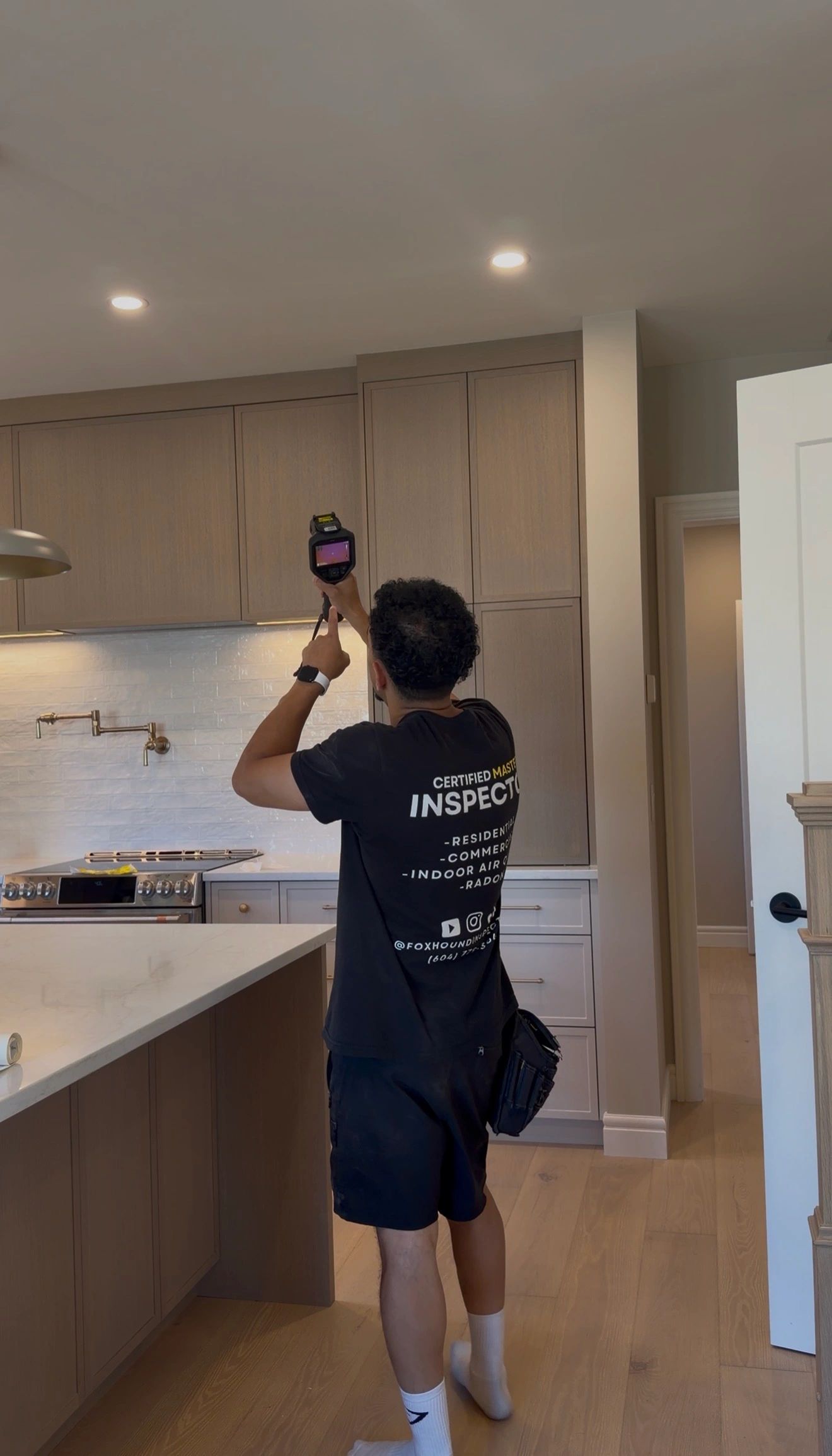
Buying a home in Vancouver or the surrounding Lower Mainland can be a major investment. Whether you're purchasing an older detached house, a newer home, a condo, or a townhome, a professional home inspection can help you better understand the condition of the property before you make your decision.
As home inspectors in Greater Vancouver and the Fraser Valley, we see everything from minor maintenance items to issues that may require significant repairs. While every property is different, there are certain problems that come up regularly during home inspections.
Here are some of the most common issues buyers should be aware of.
1. Moisture and Water Intrusion
Water is one of the biggest enemies of a building.
During a home inspection, signs of moisture may be found around windows, bathrooms, basements, crawlspaces, balconies, roofs and plumbing fixtures. Sometimes the source is obvious, such as an active plumbing leak. Other times, further investigation may be required.
Staining doesn't always mean an area is currently wet, which is why tools such as moisture meters and thermal imaging can be useful during an inspection.
Even relatively minor moisture problems should be addressed because prolonged water intrusion can contribute to deterioration, damaged finishes and microbial growth.
2. Roof and Drainage Problems
Vancouver's wet climate makes the roof and exterior drainage systems particularly important.
A home inspection may uncover deteriorated roofing materials, damaged or missing shingles, worn flashing, clogged gutters, poorly positioned downspouts or signs of previous leakage.
The condition of the roof is especially important when purchasing an older home. A roof approaching the end of its expected service life can represent a significant future expense, even if it isn't currently leaking.
Proper drainage around the property is just as important. Gutters, downspouts and site grading should help move rainwater away from the building rather than toward the foundation.
3. Electrical Deficiencies
Electrical issues are another common finding during home inspections.
These can range from relatively simple deficiencies, such as damaged receptacles or missing GFCI protection, to concerns involving older electrical systems, improper wiring, overloaded panels or amateur modifications.
Older Vancouver homes can also contain electrical components and wiring methods that differ considerably from those found in modern construction.
The purpose of the inspection isn't simply to determine whether the lights turn on. It's also to identify visible conditions that may warrant repair or further evaluation by a qualified electrician.
4. Plumbing Leaks and Aging Components
Small plumbing problems can become expensive when they're left unnoticed.
Inspectors commonly find leaking sink drains, loose toilets, deteriorated caulking, dripping fixtures, slow drains and evidence of previous water leakage.
The age and type of plumbing materials can also be important when evaluating an older property. Certain components may still be functioning properly but could be approaching the later stages of their expected service life.
Understanding these conditions can help buyers anticipate maintenance and future upgrades.
5. Bathroom and Shower Issues
Bathrooms are one of the most common places to find moisture-related deficiencies.
Cracked grout, deteriorated caulking, leaking shower enclosures, loose tiles and poor ventilation can all allow moisture to affect surrounding materials.
These problems may appear minor during a showing, but repeated exposure to water can cause deterioration behind finishes that isn't immediately visible.
A home inspection provides an opportunity to take a closer look at these areas and identify visible signs of moisture or deterioration.
6. Attic and Ventilation Problems
The attic can tell an inspector a lot about a home.
Common findings include inadequate insulation, disconnected or poorly installed exhaust ducts, staining around roof penetrations, signs of previous leakage and ventilation deficiencies.
Moisture and condensation in an attic can sometimes contribute to staining or microbial-like growth on the roof sheathing.
Because many buyers never enter the attic themselves, important conditions can easily go unnoticed before purchasing the property.
7. Heating and Cooling System Concerns
Heating and cooling systems are an important part of a home inspection, particularly because replacement can be expensive.
Depending on the property, this may include furnaces, boilers, heat pumps, air conditioners, fan coils, baseboard heaters or other equipment.
An inspection may identify systems that don't respond properly to controls, damaged components, dirty filters, maintenance concerns or equipment that appears to be approaching the end of its expected service life.
Knowing the approximate age and condition of major equipment can help buyers plan for future expenses.
8. Windows, Doors and Exterior Maintenance
Windows and doors are easy to overlook during a showing.
Inspectors frequently encounter windows that are difficult to operate, failed seals between panes, deteriorated exterior caulking, damaged frames and doors that don't close or latch properly.
Exterior cladding, trim and sealants also require regular maintenance to help keep water outside the building.
These may not always be major defects individually, but numerous maintenance items can add up after purchasing a property.
9. Structural and Foundation Concerns
Cracks don't automatically mean a home has a serious structural problem.
Concrete foundations, drywall and other building materials can develop cracks for many reasons, including normal shrinkage and settlement. However, the location, size, pattern and surrounding conditions can sometimes indicate that further investigation is warranted.
Home inspectors look for visible indicators such as unusual cracking, movement, sloping floors, deteriorated structural components or inadequate support.
When significant concerns are observed, further evaluation by an appropriate specialist or structural engineer may be recommended.
10. Poor Workmanship and DIY Renovations
Not every renovation is completed by a qualified contractor.
During inspections, we regularly come across modifications that appear unconventional or improperly completed. Electrical wiring, plumbing, decks, bathrooms and basement renovations are common areas where DIY work may be discovered.
Fresh finishes can make a property look great, but appearance doesn't necessarily tell you what's happening underneath.
This is another reason why having an independent home inspection can be valuable when purchasing a renovated property.
Newer Homes Can Have Problems Too
A common misconception is that only older homes need inspections.
Newer properties can have deficiencies as well. Inspectors may find incomplete finishes, plumbing leaks, improperly installed components, ventilation problems, exterior deficiencies and other construction-related issues.
The types of concerns may be different from those found in a 50-year-old house, but newer doesn't automatically mean defect-free.
Why Get a Home Inspection Before Buying?
A home inspection isn't about finding a perfect property. Almost every home will have some deficiencies.
The goal is to give you a better understanding of what you're buying.
Knowing about the condition of the roof, electrical system, plumbing, heating and cooling equipment, structure, exterior and interior components can help you make a more informed decision and better prepare for repairs and maintenance after taking ownership.
Looking for a Home Inspector in Greater Vancouver?
Foxhound Inspections provides professional home inspections throughout Greater Vancouver and the Fraser Valley, including inspections for detached houses, condos and townhomes.
Our inspections use modern tools including thermal imaging and moisture testing to provide additional information where appropriate, followed by a detailed, easy-to-understand digital report.
If you're buying a property and looking for a home inspector in Vancouver or the surrounding Lower Mainland, contact Foxhound Inspections to book your home inspection.